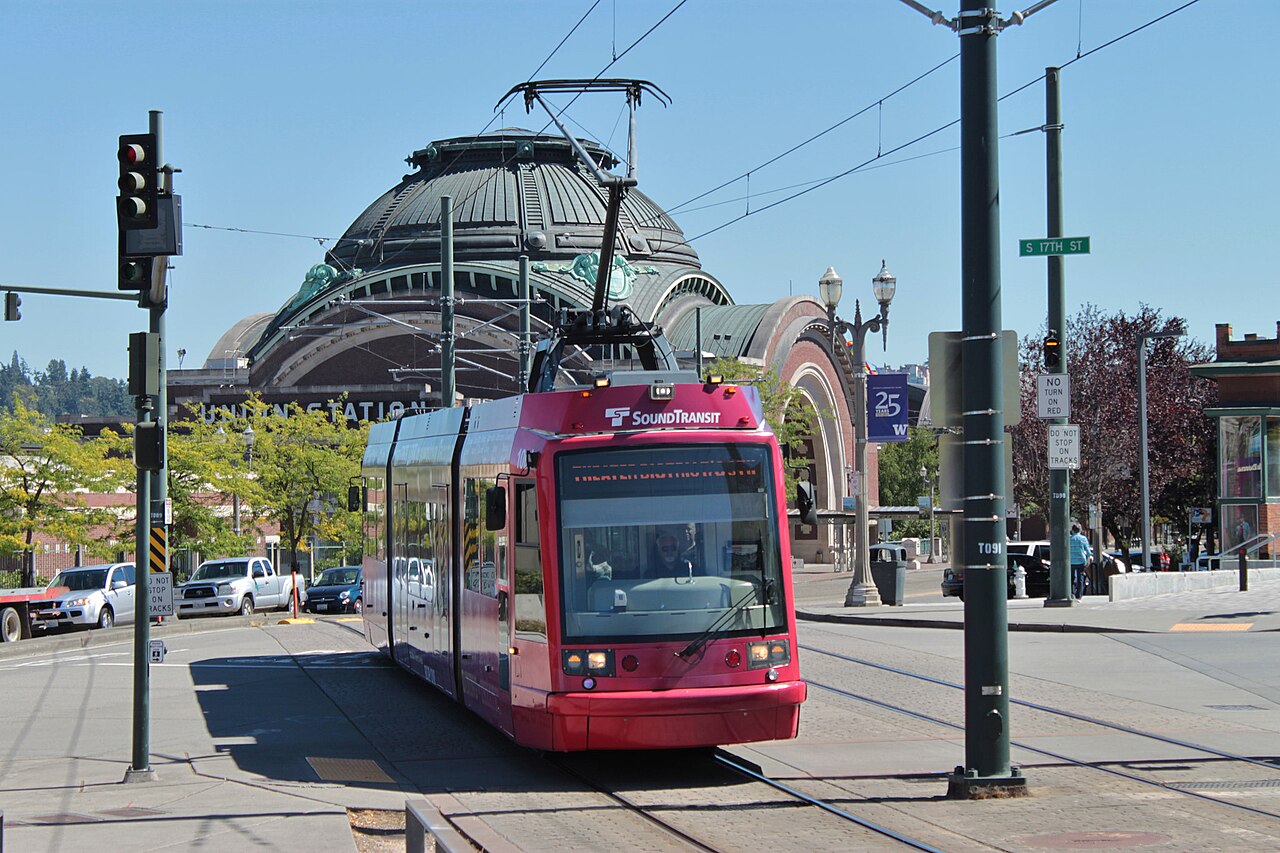
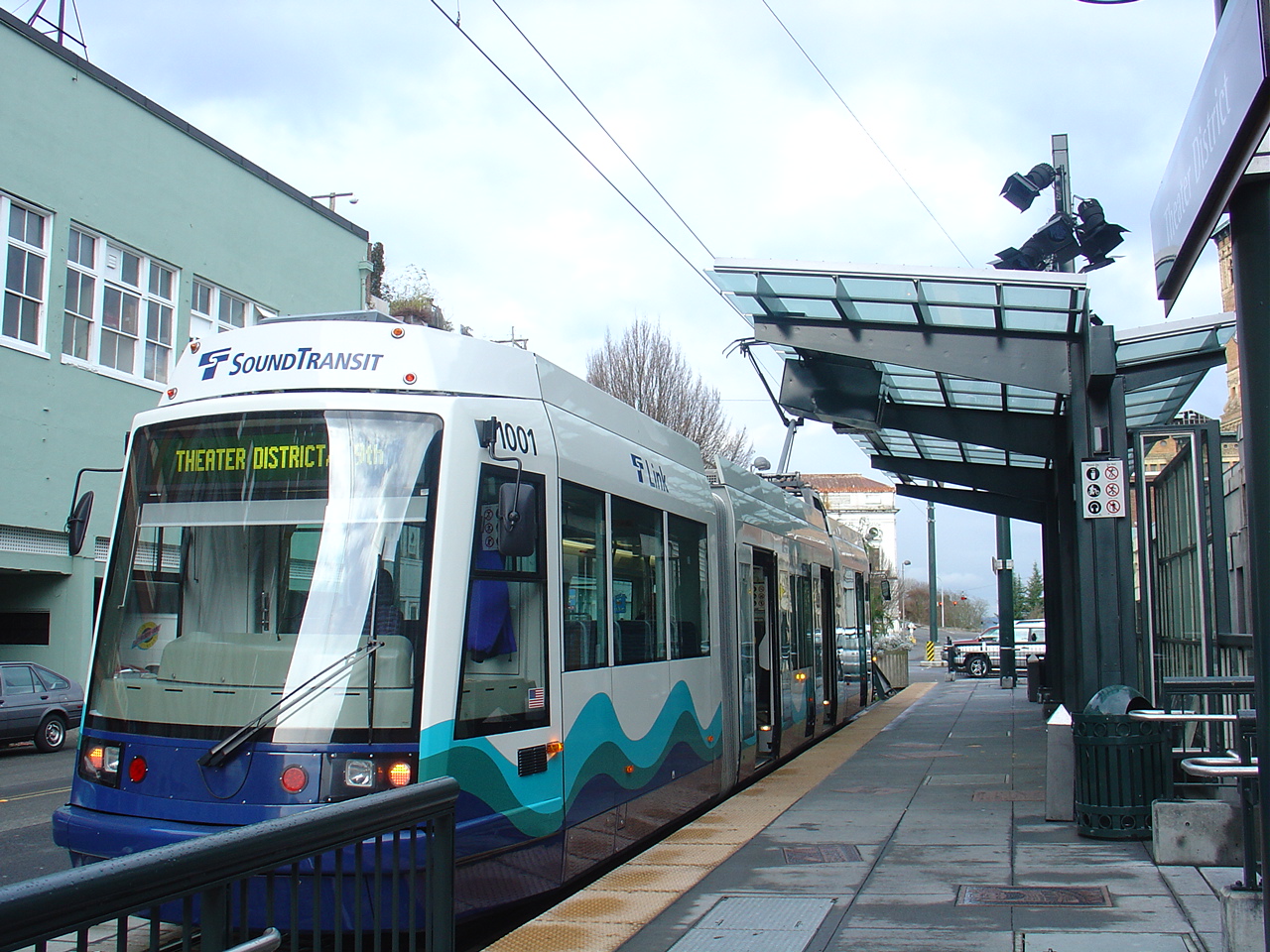
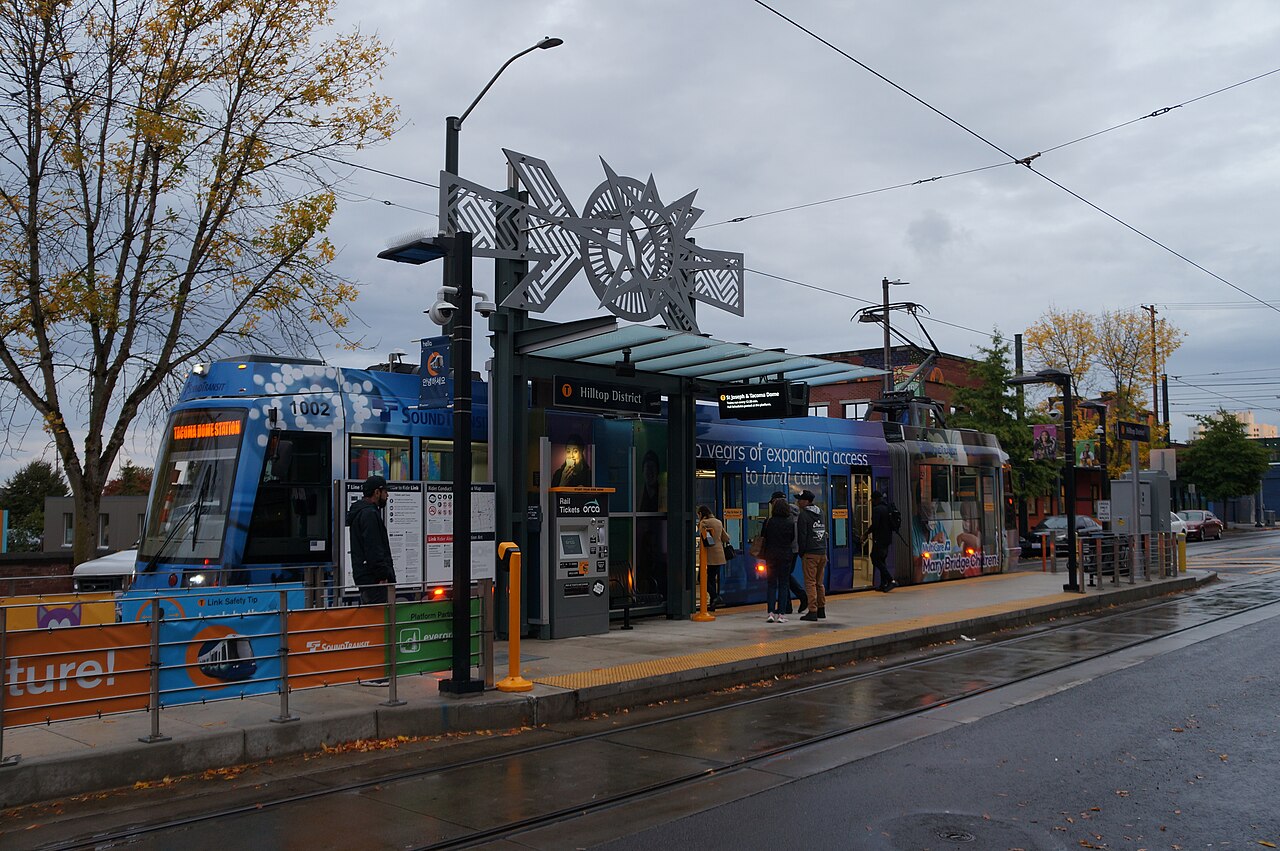
It was a mixed bag of news from Sound Transit last week, with an announcement that light rail to Downtown Federal Way connecting to Seattle-Tacoma International Airport and Downtown Seattle would open on December 6th, 2025. This is good news for transit riders and urbanists in the South Puget Sound as light rail comes closer to fully serving South King County and Pierce County.
However, as Ryan Packer at the Urbanist writes, the Sound Transit Board approved Motion M2025-36, otherwise known as the “Enterprise Initiative” which seeks to conduct a major overhaul of the voter-approved ST3 program as well as Sound Transit’s Long Range Plan, as it faces the twin constraints of inflation in construction costs and diminished projected tax revenues.
For those of us who don’t drive, riding transit isn’t just about getting from point A to point B, it’s a lifeline to independence. Transit means the freedom to connect with our community, to pursue opportunities, and to live full lives, even without a car. But that freedom comes at a cost. It means sometimes carefully timing a sprint across a busy street to catch a bus that runs only once an hour, bracing against the wind and rain without a bus shelter, or feeling the weight of groceries digging into your hands as you walk a mile home.
Senate Bill 5184 (The Parking Reform and Modernization Act), originally proposed by Jessica Bateman (D-Olympia), is due to be signed into law later tomorrow by Washington’s Governor Bob Ferguson. The bill seeks to reform the practice of requiring excessive vehicle parking at businesses and homes throughout the state, which the Legislature finds “needlessly drive up development costs, especially for housing,” as well as having negative impacts like furthering automobile dependence, harming public health, and contributing to climate change.
A primary focus of Home in Tacoma has been to identify just how to absorb new growth into areas outside of the regional growth centers and mixed-use centers. The largest change by land area is the conversion of single family zoning to an inclusive zoning framework that enables more housing types citywide: duplexes, triplexes, accessory dwelling units, and clusters of townhouses or cottage housing.
Housing Types considered for Home in Tacoma Another significant change is the addition of mid-scale residential along walkable corridors, which should enable a bridge between development in the higher-intensity mixed-use centers and the lower-scale predominantly residential neighborhoods.