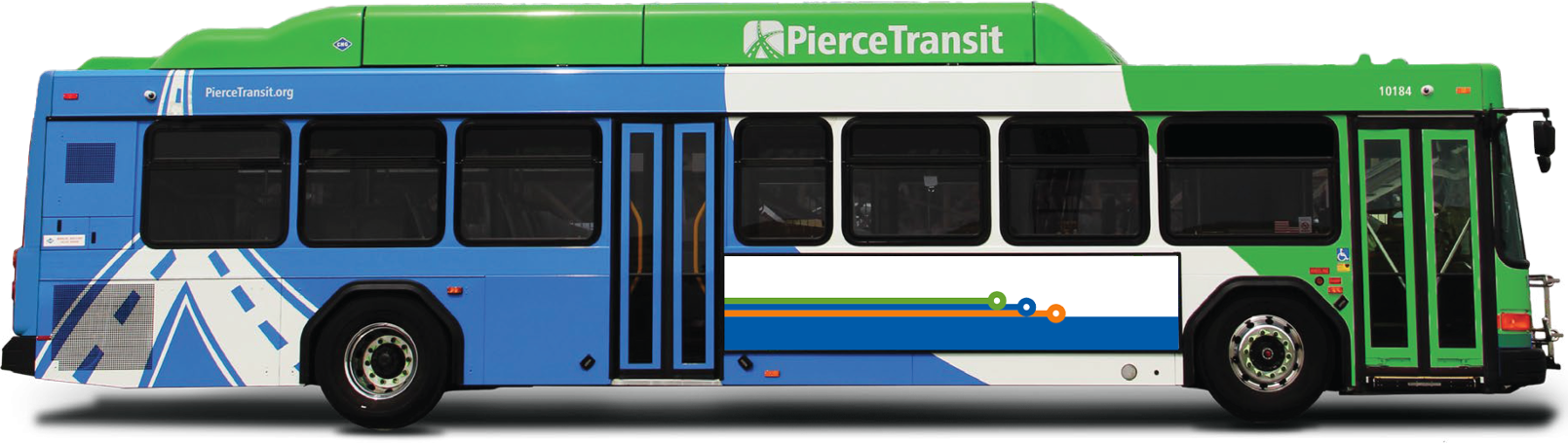
This November 3rd Tacoma and Pierce County voters will get the chance to increase funding for local transit service. The measure known as Proposition 1, would levy an additional 3 cents on some $10 purchases, to support a 47% increase in local bus service. This would bring Pierce Transit’s share of the sales tax from 0.6% to 0.9%, helping to close the gap with other jurisdictions like Thurston and King Counties, which levy more than 1.
Unlike Tacoma’s neighbor to the north (Seattle), which saw a dramatic turnaround in results with Katie Wilson coming in from behind the incumbent by 9 points to lead a week later, Tacoma’s Mayoral election was essentially settled on election day - with former Tacoma Councilmember Anders Ibsen (who represented District 1) again defeating Councilmember John Hines (currently representing District 1) in a citywide electoral rematch.
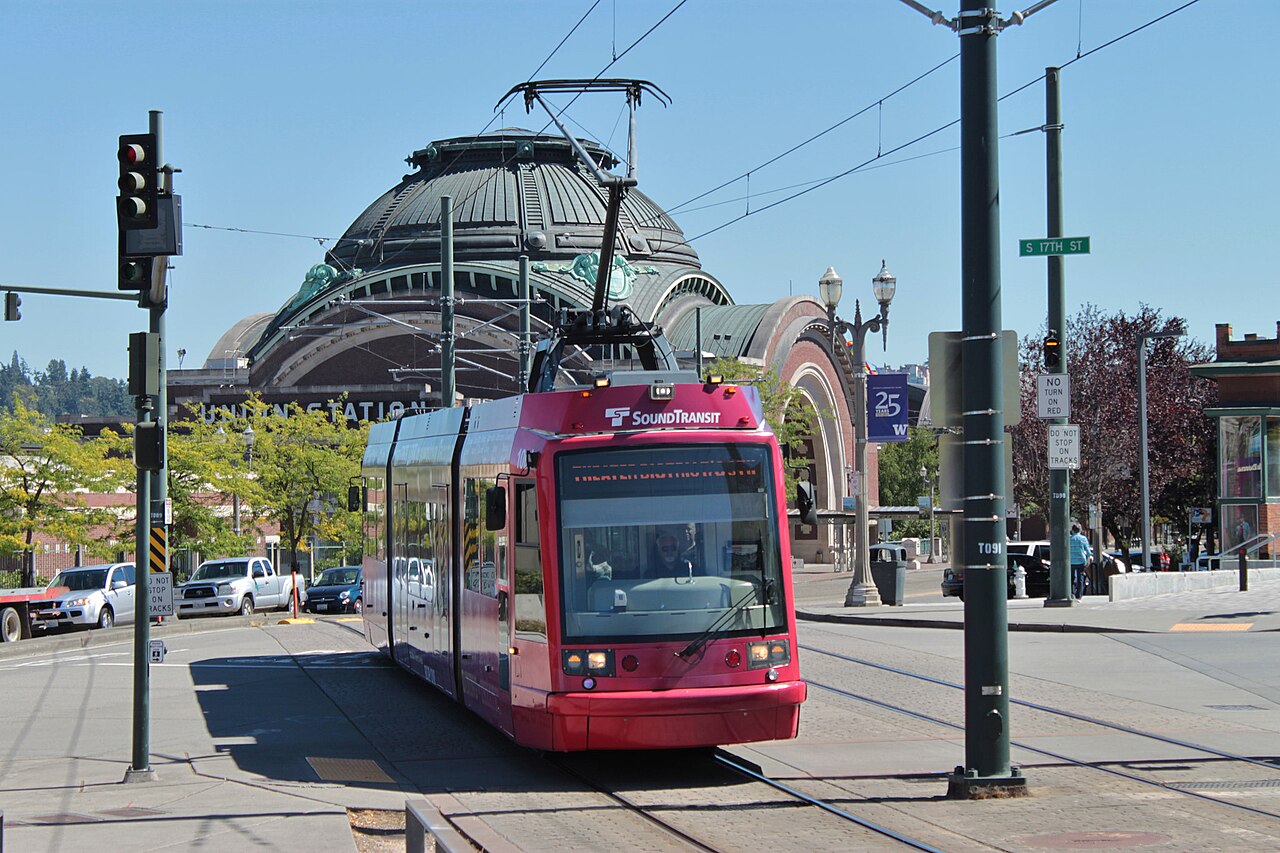
It was a mixed bag of news from Sound Transit last week, with an announcement that light rail to Downtown Federal Way connecting to Seattle-Tacoma International Airport and Downtown Seattle would open on December 6th, 2025. This is good news for transit riders and urbanists in the South Puget Sound as light rail comes closer to fully serving South King County and Pierce County.
However, as Ryan Packer at the Urbanist writes, the Sound Transit Board approved Motion M2025-36, otherwise known as the “Enterprise Initiative” which seeks to conduct a major overhaul of the voter-approved ST3 program as well as Sound Transit’s Long Range Plan, as it faces the twin constraints of inflation in construction costs and diminished projected tax revenues.
The Election as a Geographic Test Every election is a test of the sentiments of the public. Do they seek to change or to stay the course? Are the people hungry for new leadership? Are they satisfied with public services and infrastructure, the economy? And where are these sentiments the strongest or the weakest throughout a geography? It’s difficult to answer these questions, and damned near impossible without actual data.