How far can a traveler on public transit at 8AM on a Monday go in an hour in the Puget Sound region?
The answer depends on where you start.
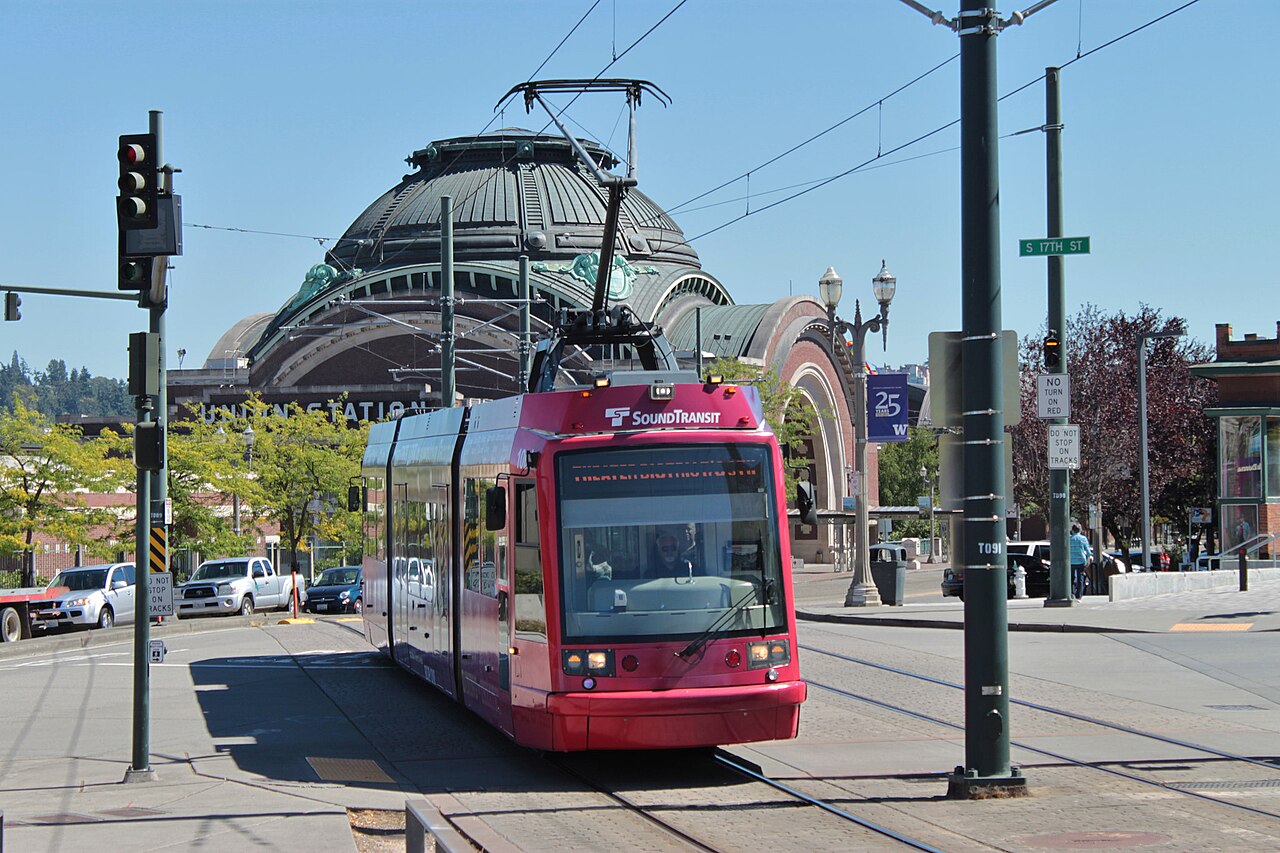
If a rider lives near a major transit hub in a central city, Seattle, per se, you can get to just about all areas of the city as well as everywhere in the region, Bellevue, Lynnwood, Federal Way, Everett and Tacoma. Enormous opportunities for access to employment, cultural institutions, and education are possible without the use of a private vehicle.
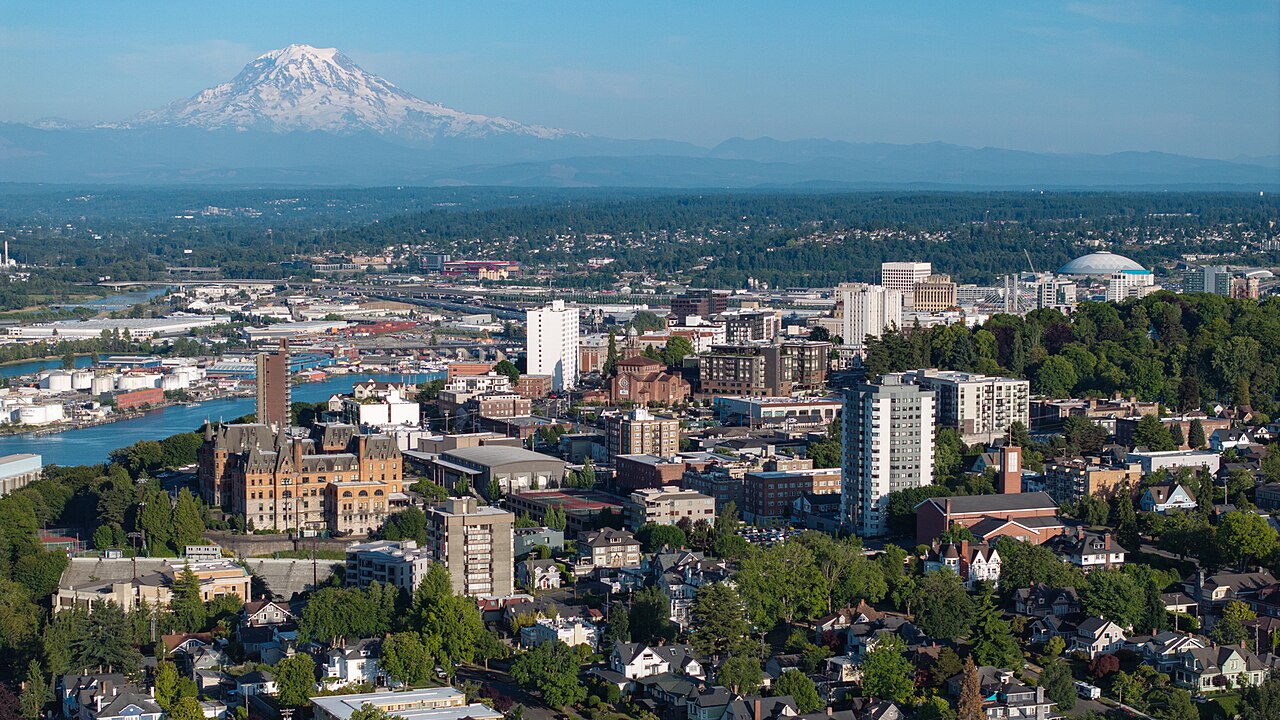
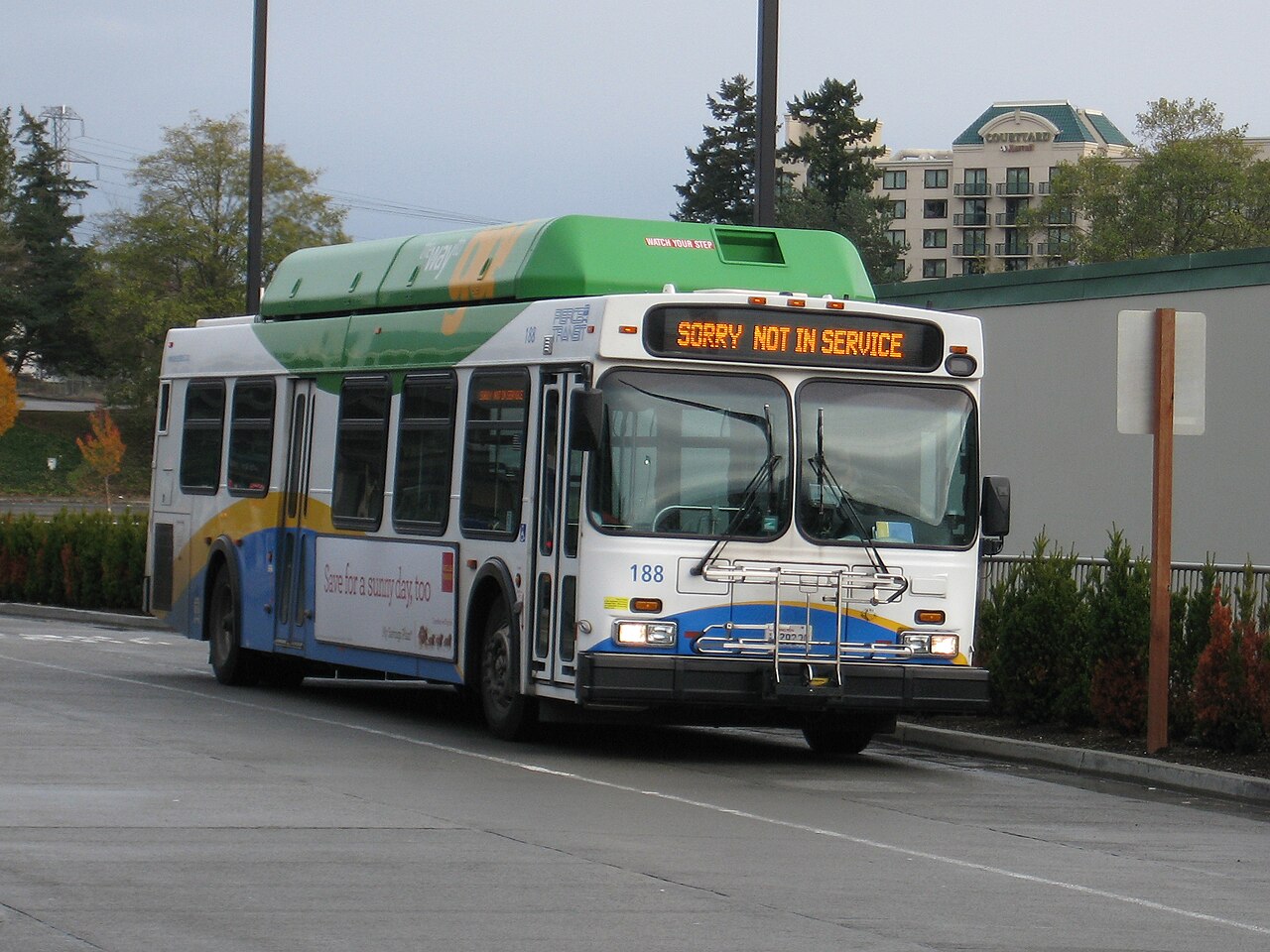
As it stands Tacoma, the second largest city in the Puget Sound region after Seattle, has a dearth of local transit service. The most frequent bus route in Tacoma on weekdays, Route 1 - 6th Ave - Pacific Ave, will operate once every half hour due to a lack of bus operators. While other local transit services in the Puget Sound region have continued a steady expansion from Kitsap Transit’s fast ferries to Intercity Transit’s fareless service to King County Metro’s Rapidride lines, to Sound Transit’s regional light rail expansion in King County, Pierce Transit has struggled to keep even hourly service on some routes.
For Tacoma to continue to be a welcoming city to people who make less than the regional median income, we must plan to build more housing in such a way that all people will be able to afford it, regardless of their income level or family size.
Access to affordable housing and access to transportation options like buses, light rail, bike lanes and sidewalks are deeply related. The old school of thought in real estate was to “drive until you qualify” in order to buy or rent a home, but people who go that route sometimes find that they get more than they bargained for by unwittingly exchanging housing costs for transportation costs.