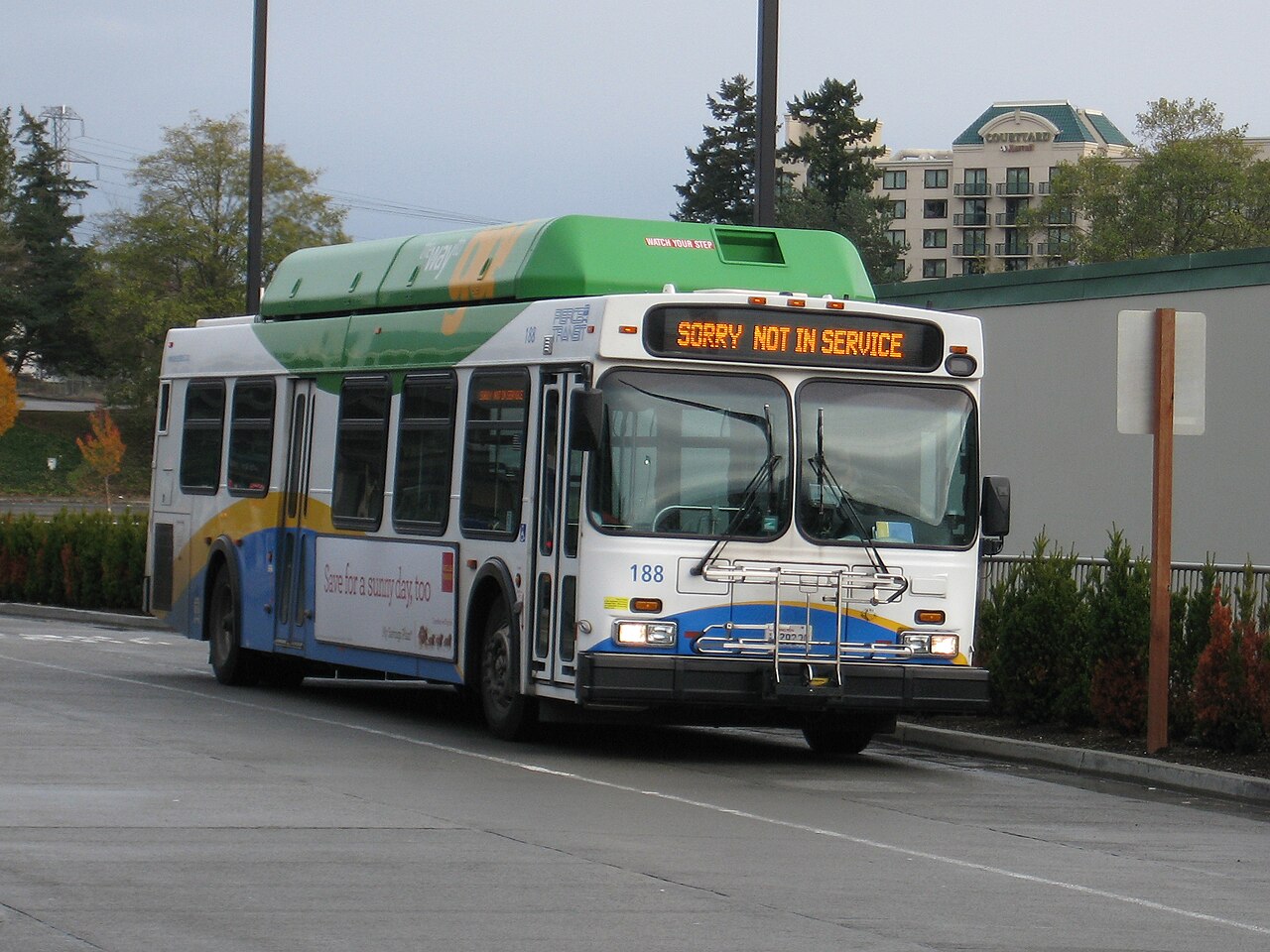
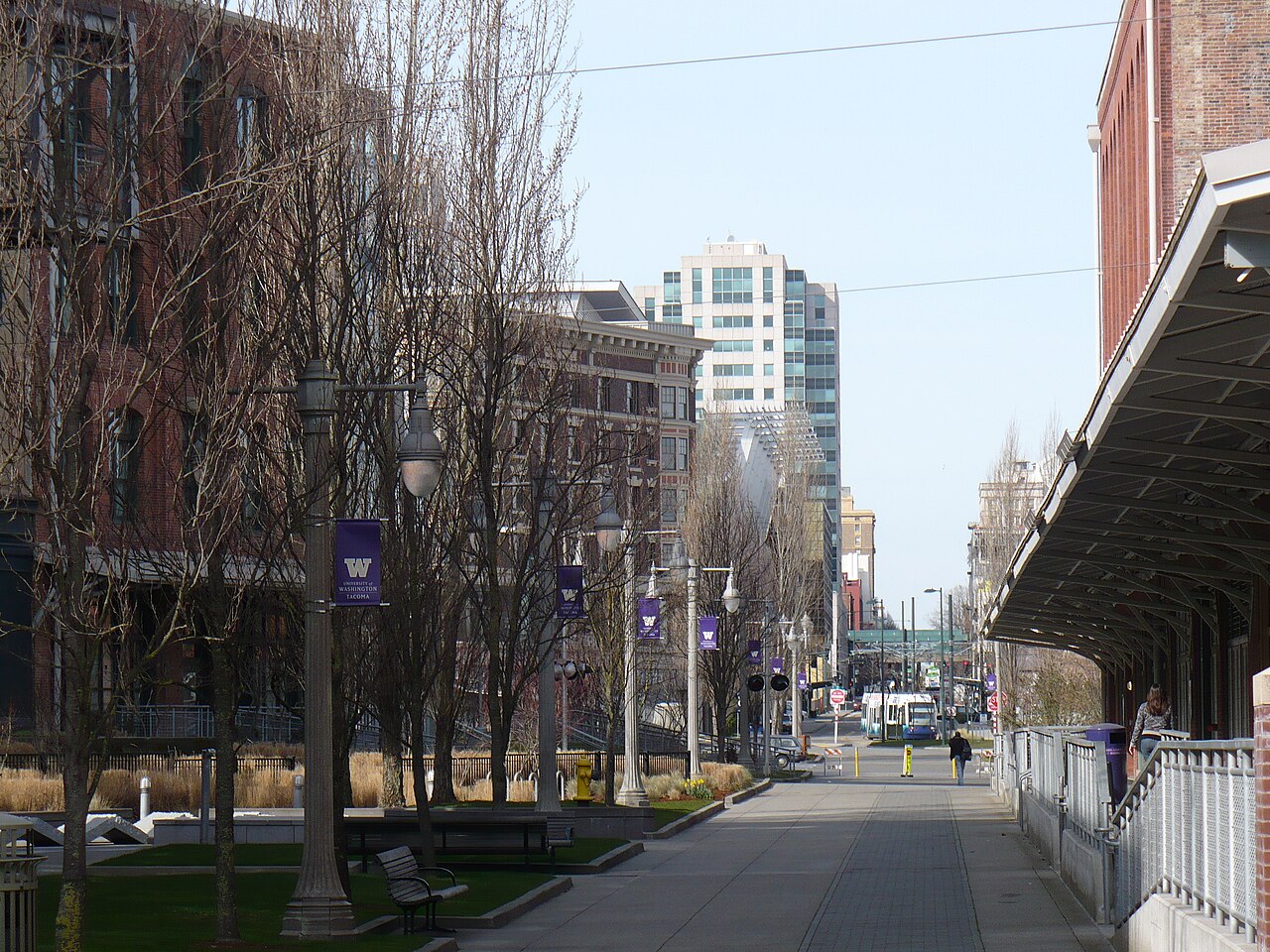
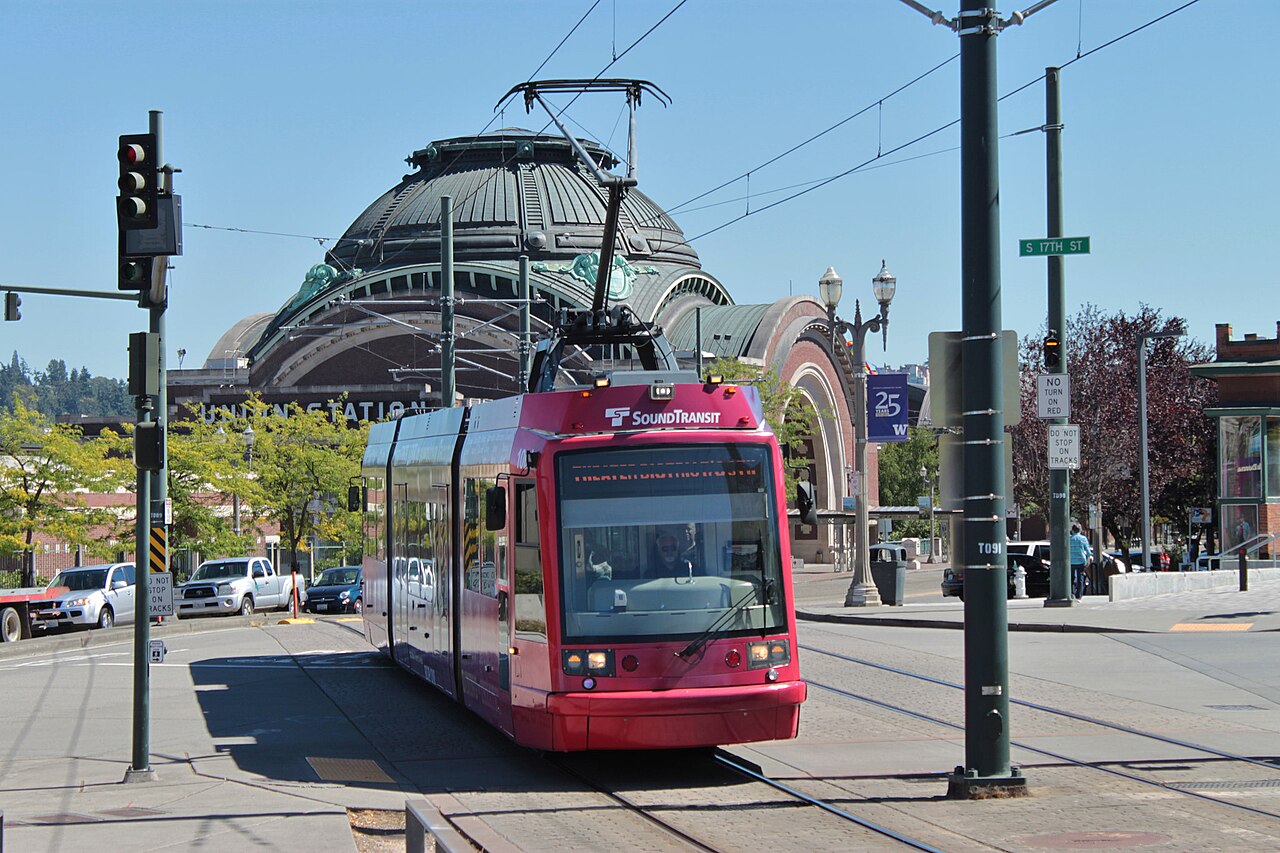
As it stands Tacoma, the second largest city in the Puget Sound region after Seattle, has a dearth of local transit service. The most frequent bus route in Tacoma on weekdays, Route 1 - 6th Ave - Pacific Ave, will operate once every half hour due to a lack of bus operators. While other local transit services in the Puget Sound region have continued a steady expansion from Kitsap Transit’s fast ferries to Intercity Transit’s fareless service to King County Metro’s Rapidride lines, to Sound Transit’s regional light rail expansion in King County, Pierce Transit has struggled to keep even hourly service on some routes.
The debate on the existence of human-driven climate change is over. For the last two centuries humans have been burning solid, liquid, and gaseous fossil fuels in increasing amounts, which has been gradually changing the composition of the Earth’s atmosphere and oceans. And with those changes, new changes occur in the complex system of our planet’s biosphere, yielding differences in typical surface temperatures, rates of precipitation, even the acidity of seawater.
Based on written and oral testimony about the Home in Tacoma project, I conclude that there is an overall generational disconnect between people who bought a home in the housing market 25 or 30 years ago and those who are trying to find a place to live today in the 2020s.
The Housing Market in 1996 People who bought earlier in areas zoned single family made the assumption that nothing would ever change.
For Tacoma to continue to be a welcoming city to people who make less than the regional median income, we must plan to build more housing in such a way that all people will be able to afford it, regardless of their income level or family size.
Access to affordable housing and access to transportation options like buses, light rail, bike lanes and sidewalks are deeply related. The old school of thought in real estate was to “drive until you qualify” in order to buy or rent a home, but people who go that route sometimes find that they get more than they bargained for by unwittingly exchanging housing costs for transportation costs.