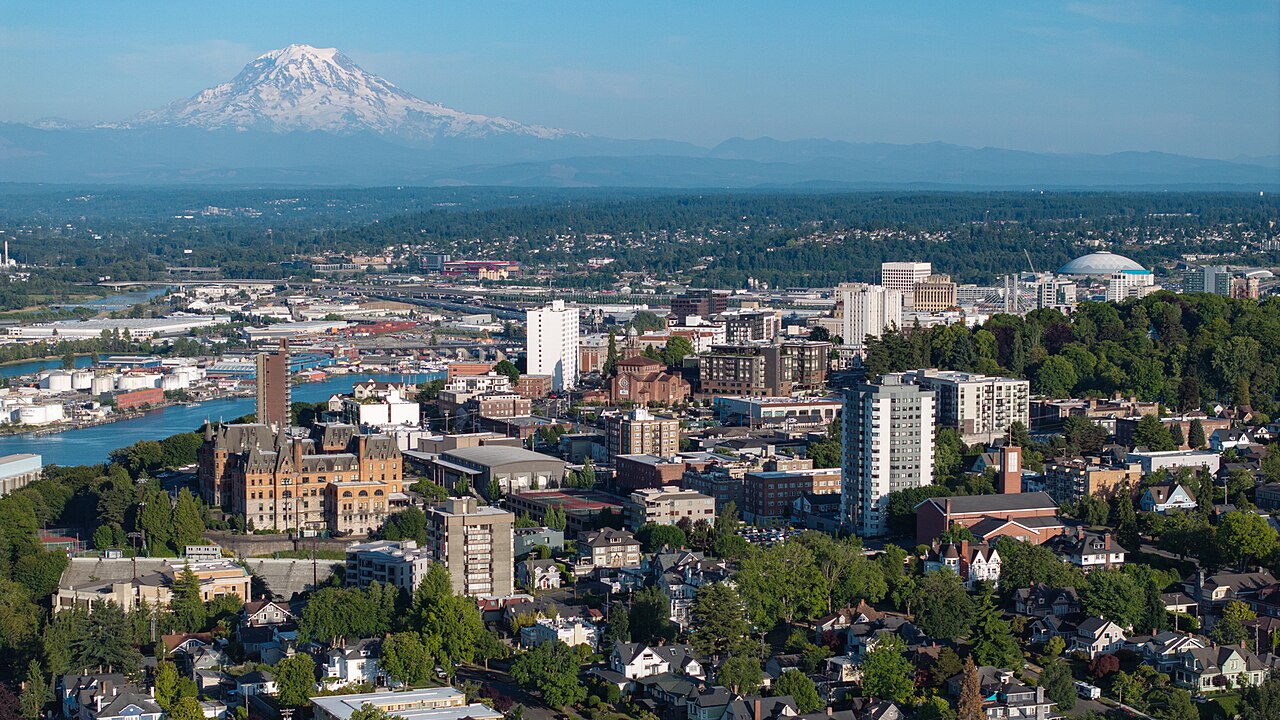
Tacoma has spent a lot of energy and effort to revitalize its downtown into a vibrant urban center and to plan for future growth in its mixed-use growth areas. These centers are meant to provide walkable commercial services, densifying environments, with added opportunities for housing, public amenities and access to robust public transportation.
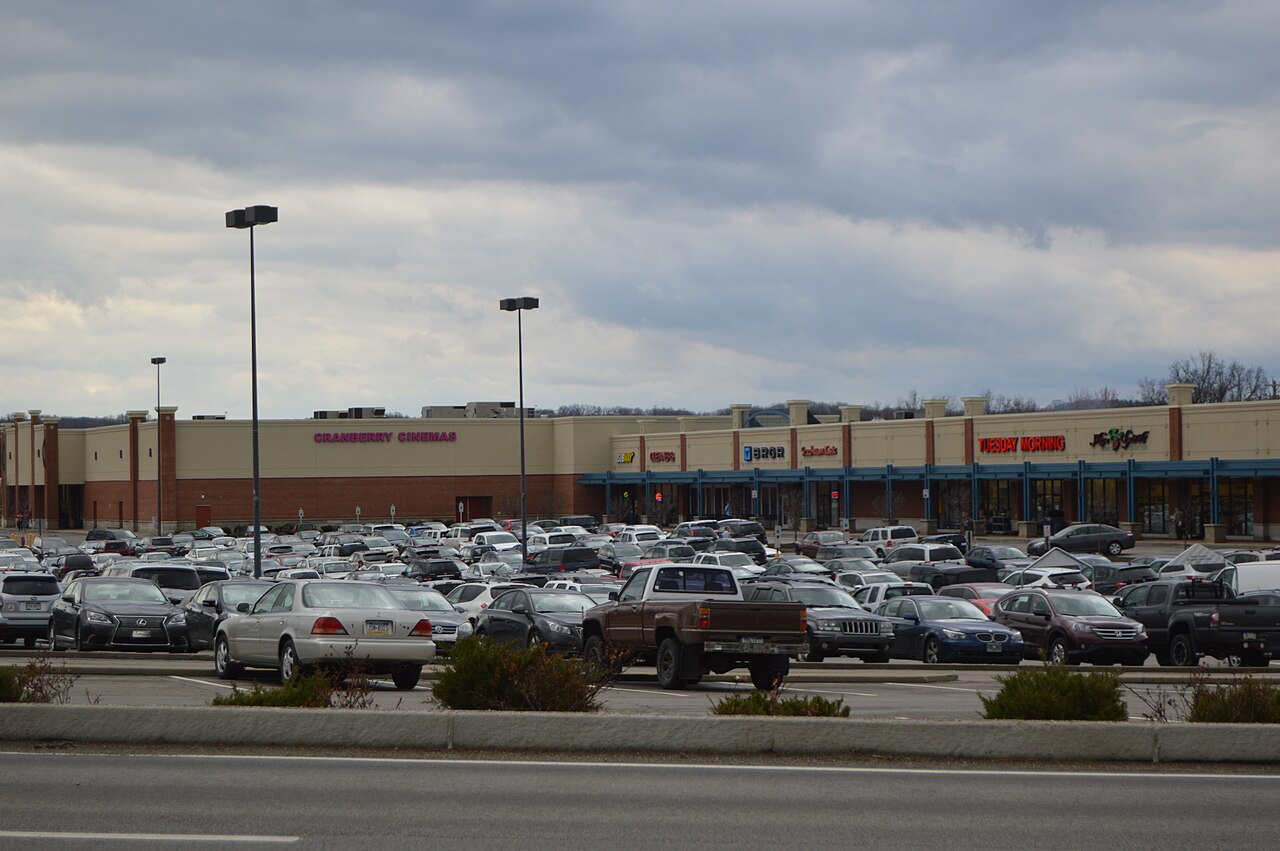
Growth centers are classified into three broad categories: Regional Growth Centers, Neighborhood Centers and Crossroads Centers. There are only two Regional Growth Centers: Downtown and Tacoma Mall, which represent the largest areas in the city with the highest levels of land use intensity in terms of commercial and residential development.
Today is the day.
This evening the Tacoma City Council is poised to vote on the final Home in Tacoma code package. With that event, I thought I would get some reflection down for better or for worse.
It’s taken five years to get this far, longer than a presidential term, longer than most people’s journeys through high school, and even longer than the COVID-19 pandemic.
The substance of the package is enormous relative to most items that the Planning Commission and Tacoma’s planning department have taken on over the years: 246 pages of changes to the Land Use Regulatory Code.
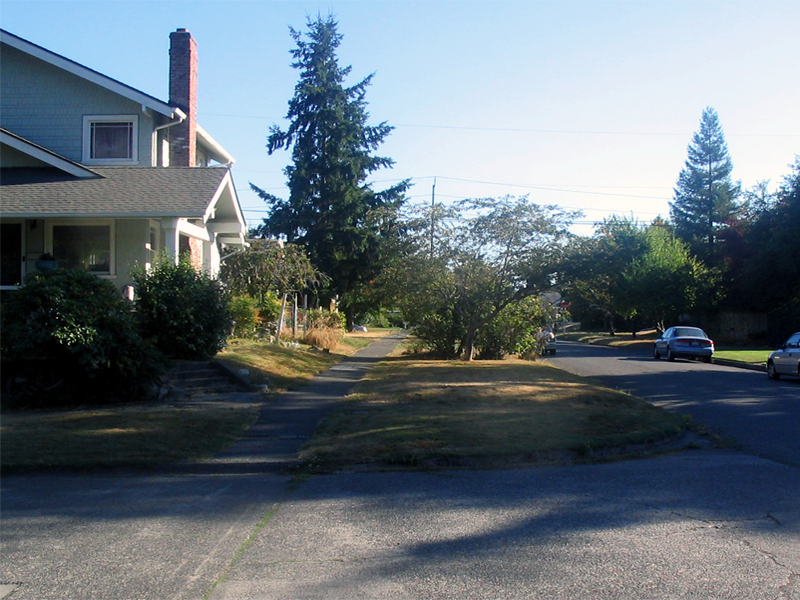
A primary focus of Home in Tacoma has been to identify just how to absorb new growth into areas outside of the regional growth centers and mixed-use centers. The largest change by land area is the conversion of single family zoning to an inclusive zoning framework that enables more housing types citywide: duplexes, triplexes, accessory dwelling units, and clusters of townhouses or cottage housing.
Housing Types considered for Home in Tacoma Another significant change is the addition of mid-scale residential along walkable corridors, which should enable a bridge between development in the higher-intensity mixed-use centers and the lower-scale predominantly residential neighborhoods.
How far can a traveler on public transit at 8AM on a Monday go in an hour in the Puget Sound region?
The answer depends on where you start.
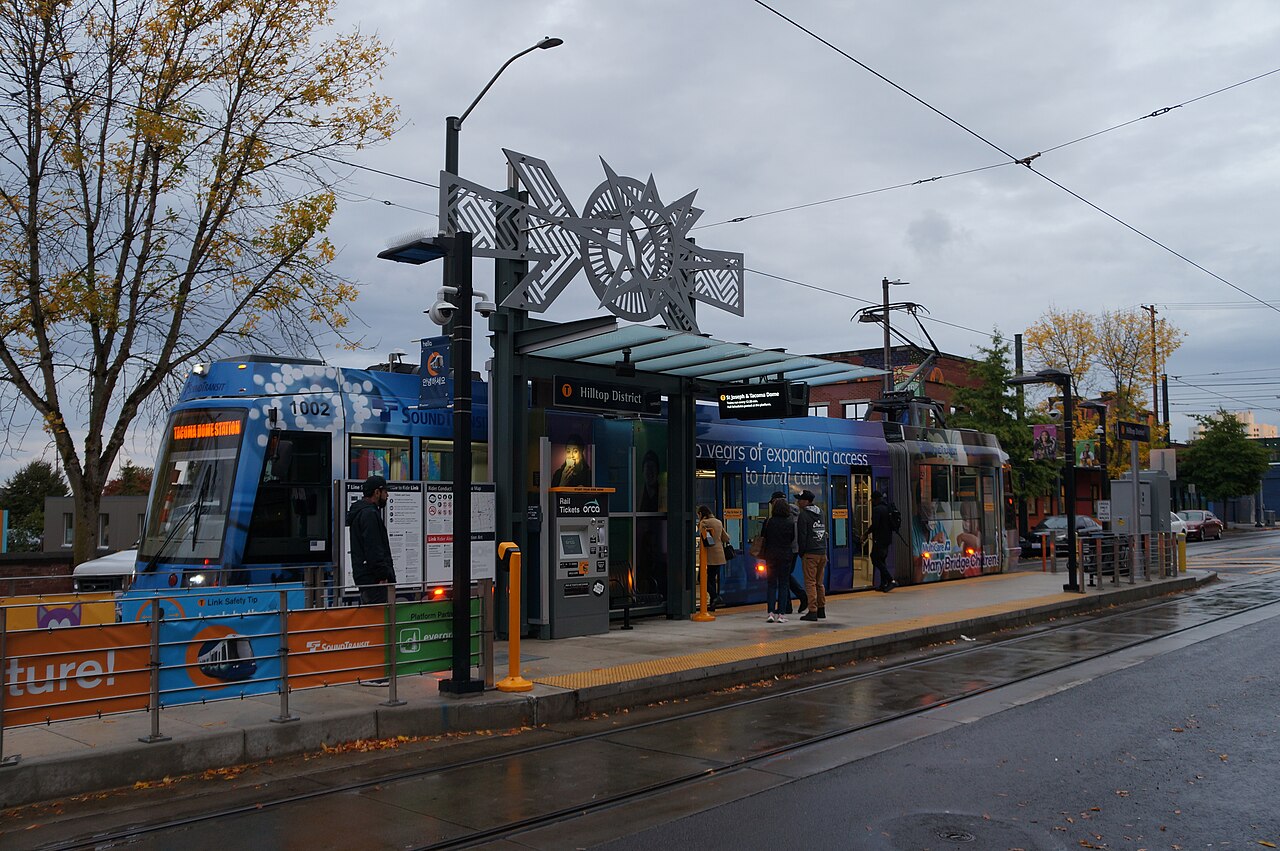
If a rider lives near a major transit hub in a central city, Seattle, per se, you can get to just about all areas of the city as well as everywhere in the region, Bellevue, Lynnwood, Federal Way, Everett and Tacoma. Enormous opportunities for access to employment, cultural institutions, and education are possible without the use of a private vehicle.