Today is the day.
This evening the Tacoma City Council is poised to vote on the final Home in Tacoma code package. With that event, I thought I would get some reflection down for better or for worse.
It’s taken five years to get this far, longer than a presidential term, longer than most people’s journeys through high school, and even longer than the COVID-19 pandemic.
The substance of the package is enormous relative to most items that the Planning Commission and Tacoma’s planning department have taken on over the years: 246 pages of changes to the Land Use Regulatory Code.
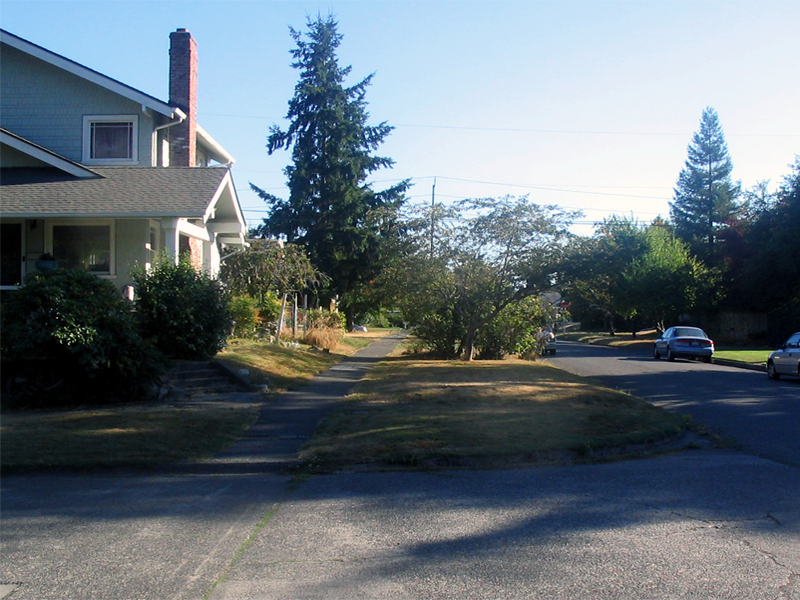
A primary focus of Home in Tacoma has been to identify just how to absorb new growth into areas outside of the regional growth centers and mixed-use centers. The largest change by land area is the conversion of single family zoning to an inclusive zoning framework that enables more housing types citywide: duplexes, triplexes, accessory dwelling units, and clusters of townhouses or cottage housing.
Housing Types considered for Home in Tacoma Another significant change is the addition of mid-scale residential along walkable corridors, which should enable a bridge between development in the higher-intensity mixed-use centers and the lower-scale predominantly residential neighborhoods.
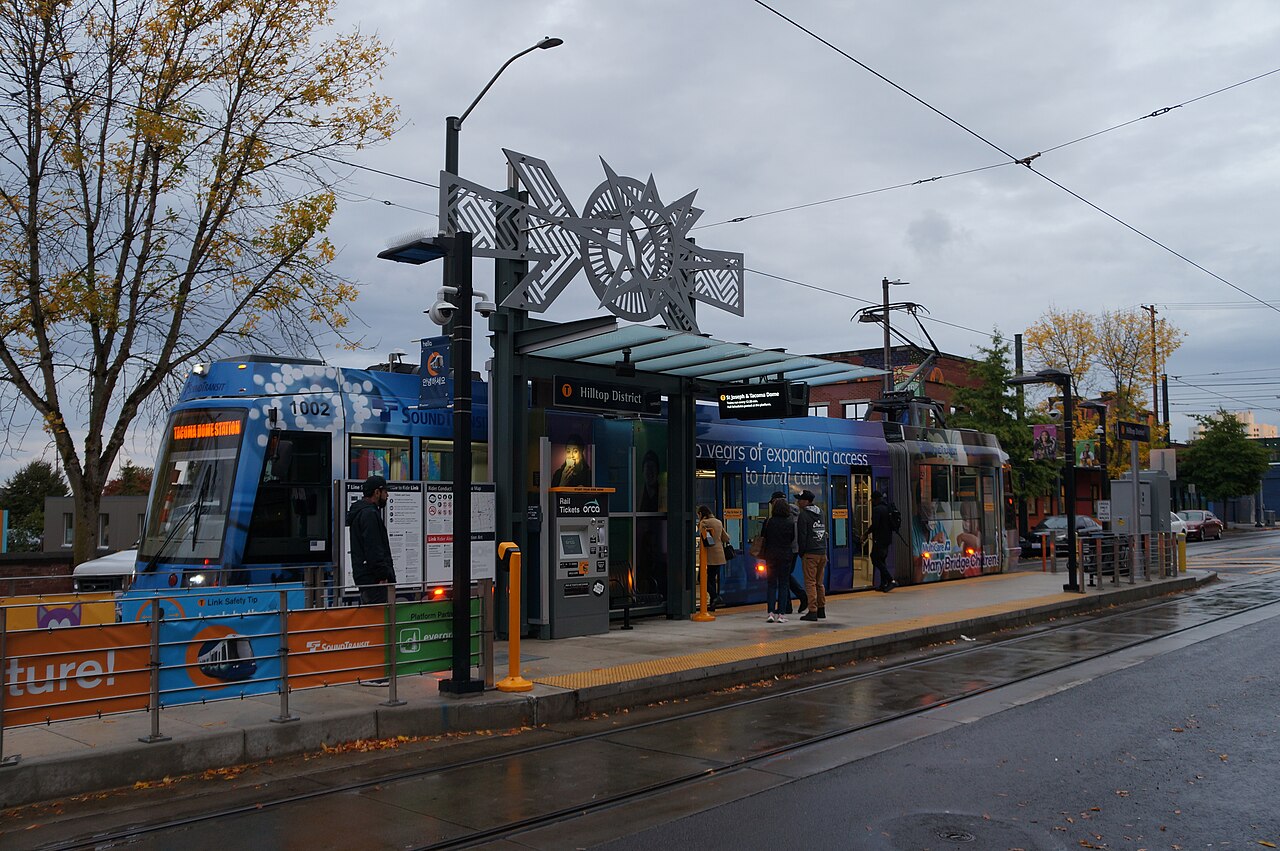
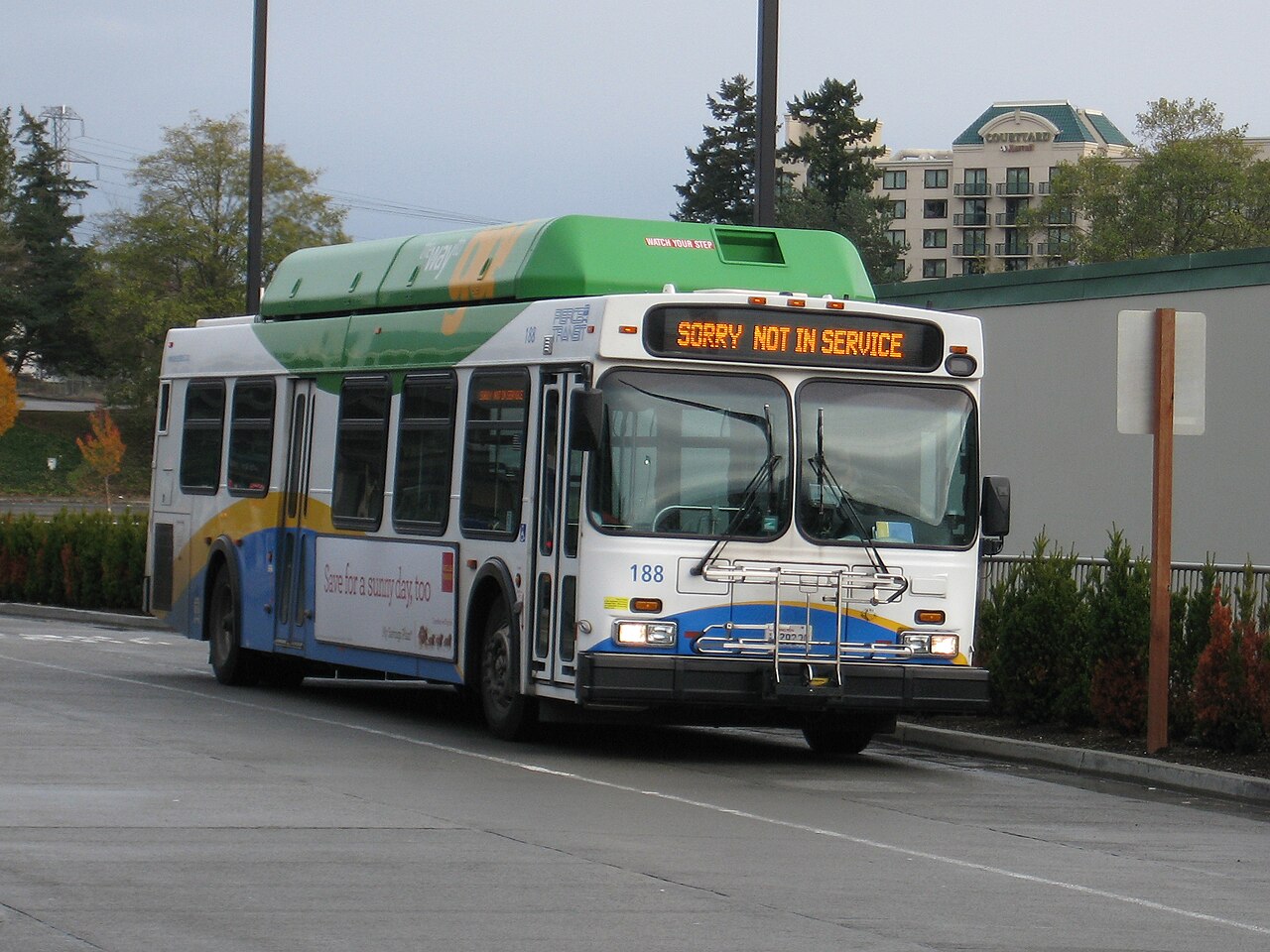
As it stands Tacoma, the second largest city in the Puget Sound region after Seattle, has a dearth of local transit service. The most frequent bus route in Tacoma on weekdays, Route 1 - 6th Ave - Pacific Ave, will operate once every half hour due to a lack of bus operators. While other local transit services in the Puget Sound region have continued a steady expansion from Kitsap Transit’s fast ferries to Intercity Transit’s fareless service to King County Metro’s Rapidride lines, to Sound Transit’s regional light rail expansion in King County, Pierce Transit has struggled to keep even hourly service on some routes.
Based on written and oral testimony about the Home in Tacoma project, I conclude that there is an overall generational disconnect between people who bought a home in the housing market 25 or 30 years ago and those who are trying to find a place to live today in the 2020s.
The Housing Market in 1996 People who bought earlier in areas zoned single family made the assumption that nothing would ever change.