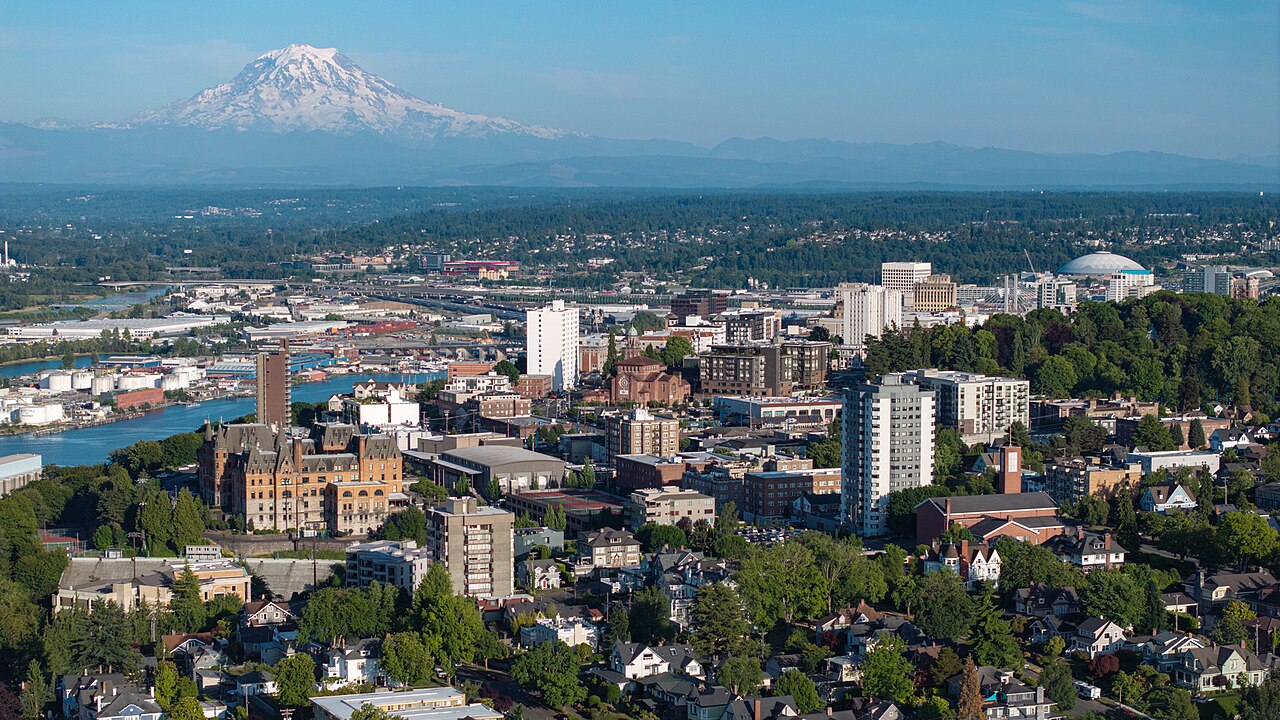
A primary focus of Home in Tacoma has been to identify just how to absorb new growth into areas outside of the regional growth centers and mixed-use centers. The largest change by land area is the conversion of single family zoning to an inclusive zoning framework that enables more housing types citywide: duplexes, triplexes, accessory dwelling units, and clusters of townhouses or cottage housing.
Housing Types considered for Home in Tacoma Another significant change is the addition of mid-scale residential along walkable corridors, which should enable a bridge between development in the higher-intensity mixed-use centers and the lower-scale predominantly residential neighborhoods.
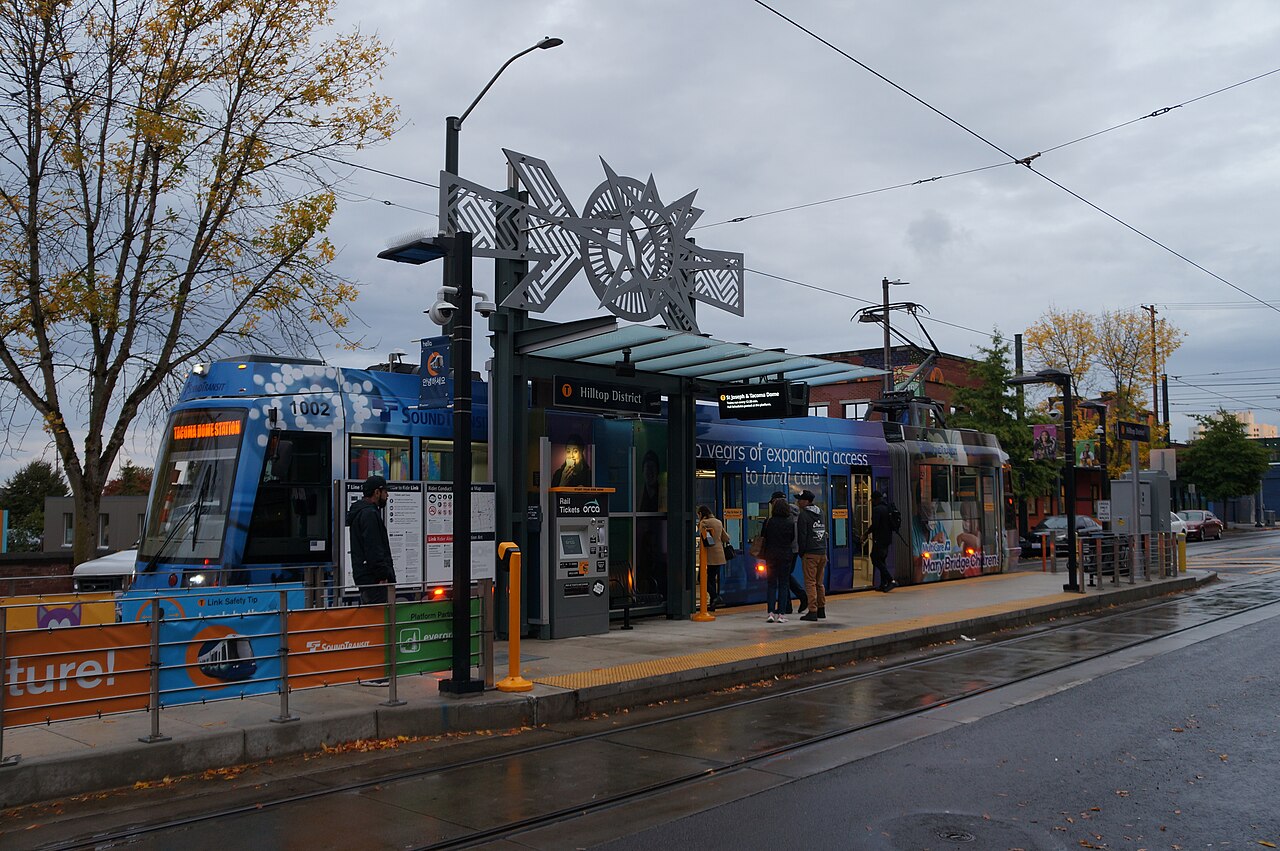
How far can a traveler on public transit at 8AM on a Monday go in an hour in the Puget Sound region?
The answer depends on where you start.
If a rider lives near a major transit hub in a central city, Seattle, per se, you can get to just about all areas of the city as well as everywhere in the region, Bellevue, Lynnwood, Federal Way, Everett and Tacoma. Enormous opportunities for access to employment, cultural institutions, and education are possible without the use of a private vehicle.
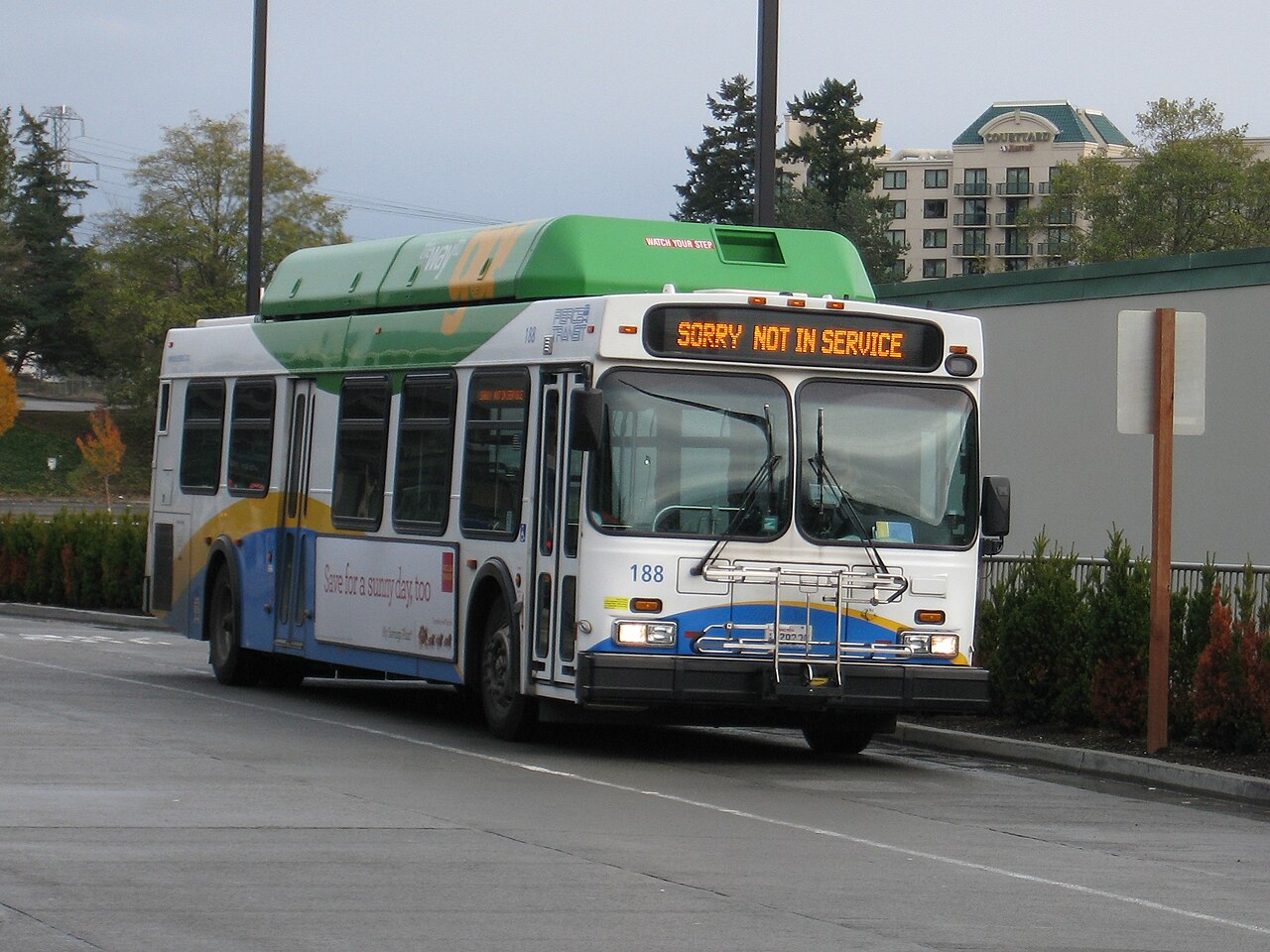
As it stands Tacoma, the second largest city in the Puget Sound region after Seattle, has a dearth of local transit service. The most frequent bus route in Tacoma on weekdays, Route 1 - 6th Ave - Pacific Ave, will operate once every half hour due to a lack of bus operators. While other local transit services in the Puget Sound region have continued a steady expansion from Kitsap Transit’s fast ferries to Intercity Transit’s fareless service to King County Metro’s Rapidride lines, to Sound Transit’s regional light rail expansion in King County, Pierce Transit has struggled to keep even hourly service on some routes.
The debate on the existence of human-driven climate change is over. For the last two centuries humans have been burning solid, liquid, and gaseous fossil fuels in increasing amounts, which has been gradually changing the composition of the Earth’s atmosphere and oceans. And with those changes, new changes occur in the complex system of our planet’s biosphere, yielding differences in typical surface temperatures, rates of precipitation, even the acidity of seawater.