The Election as a Geographic Test Every election is a test of the sentiments of the public. Do they seek to change or to stay the course? Are the people hungry for new leadership? Are they satisfied with public services and infrastructure, the economy? And where are these sentiments the strongest or the weakest throughout a geography? It’s difficult to answer these questions, and damned near impossible without actual data.
Your browser does not support the video tag. I was disappointed to see the recent failure of Tacoma’s Streets Initiative #2, which would have provided dedicated funding for street repairs and safety improvements. This motivated me to explore alternative ways to help keep our city’s streets in better shape.
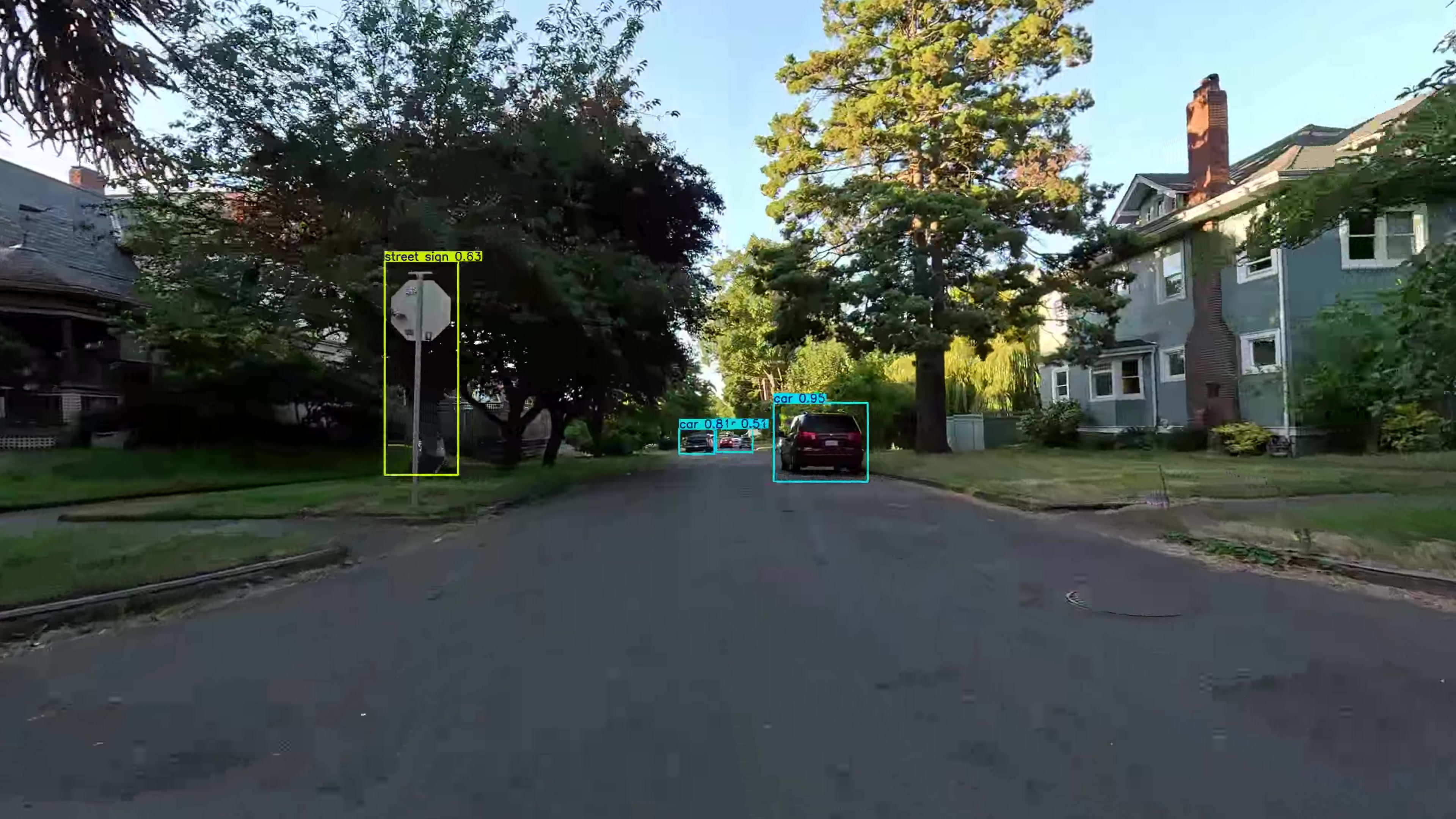
As someone who regularly bikes around Tacoma, I’ve experienced firsthand how many of our roads are deteriorating. Some are reaching a point where full replacement – and significant cost to the public – will be necessary.
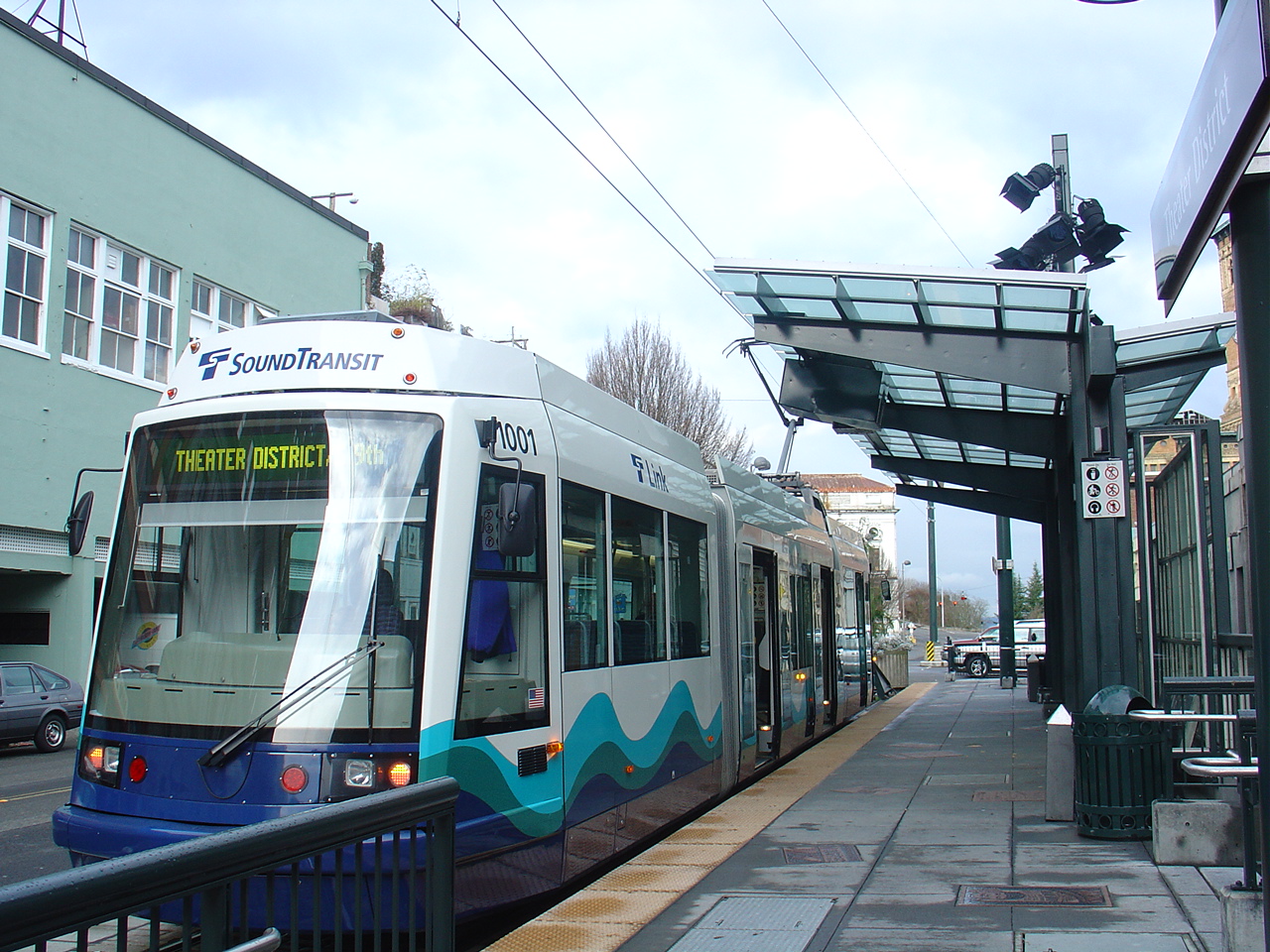
For those of us who don’t drive, riding transit isn’t just about getting from point A to point B, it’s a lifeline to independence. Transit means the freedom to connect with our community, to pursue opportunities, and to live full lives, even without a car. But that freedom comes at a cost. It means sometimes carefully timing a sprint across a busy street to catch a bus that runs only once an hour, bracing against the wind and rain without a bus shelter, or feeling the weight of groceries digging into your hands as you walk a mile home.
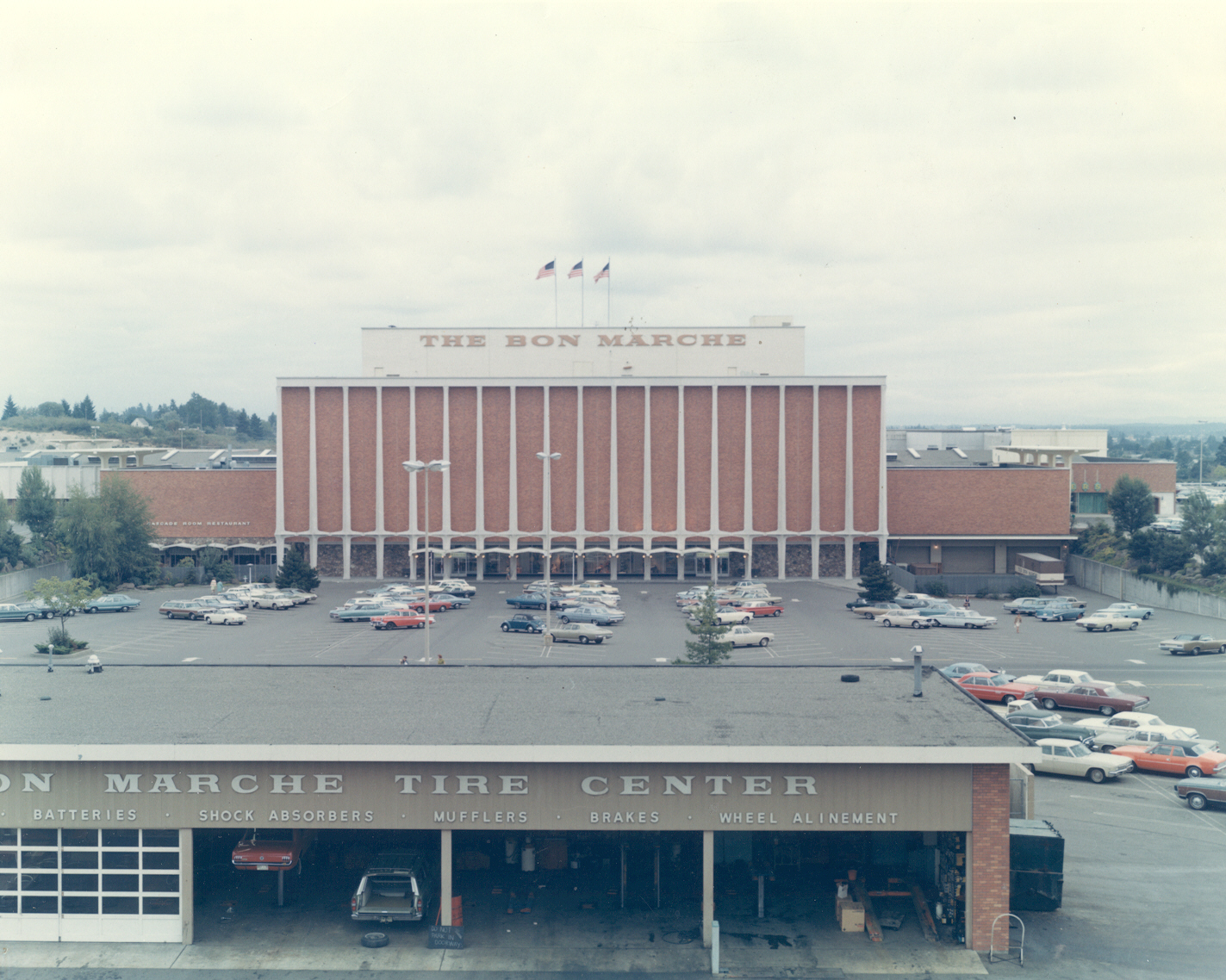
Senate Bill 5184 (The Parking Reform and Modernization Act), originally proposed by Jessica Bateman (D-Olympia), is due to be signed into law later tomorrow by Washington’s Governor Bob Ferguson. The bill seeks to reform the practice of requiring excessive vehicle parking at businesses and homes throughout the state, which the Legislature finds “needlessly drive up development costs, especially for housing,” as well as having negative impacts like furthering automobile dependence, harming public health, and contributing to climate change.